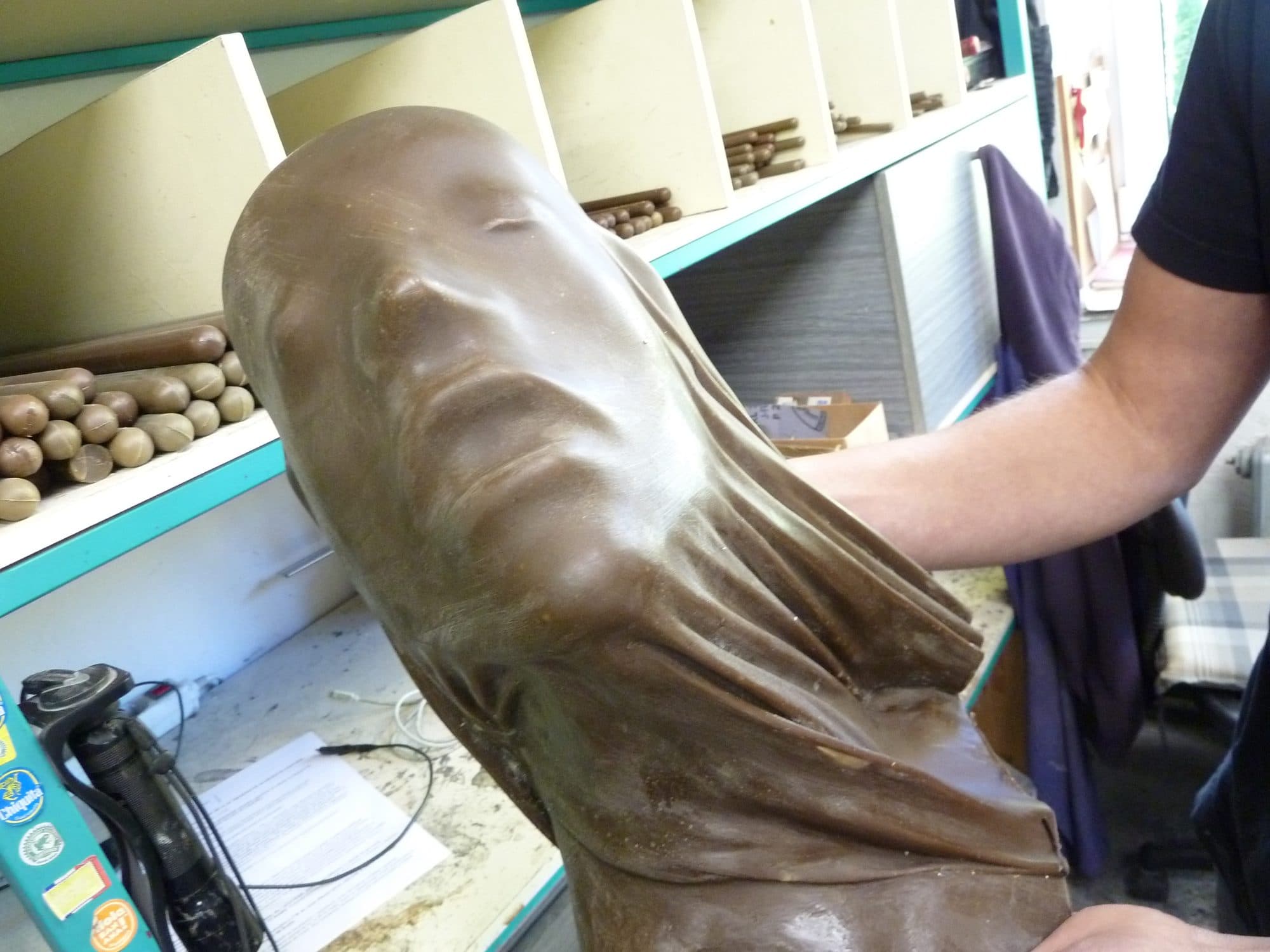
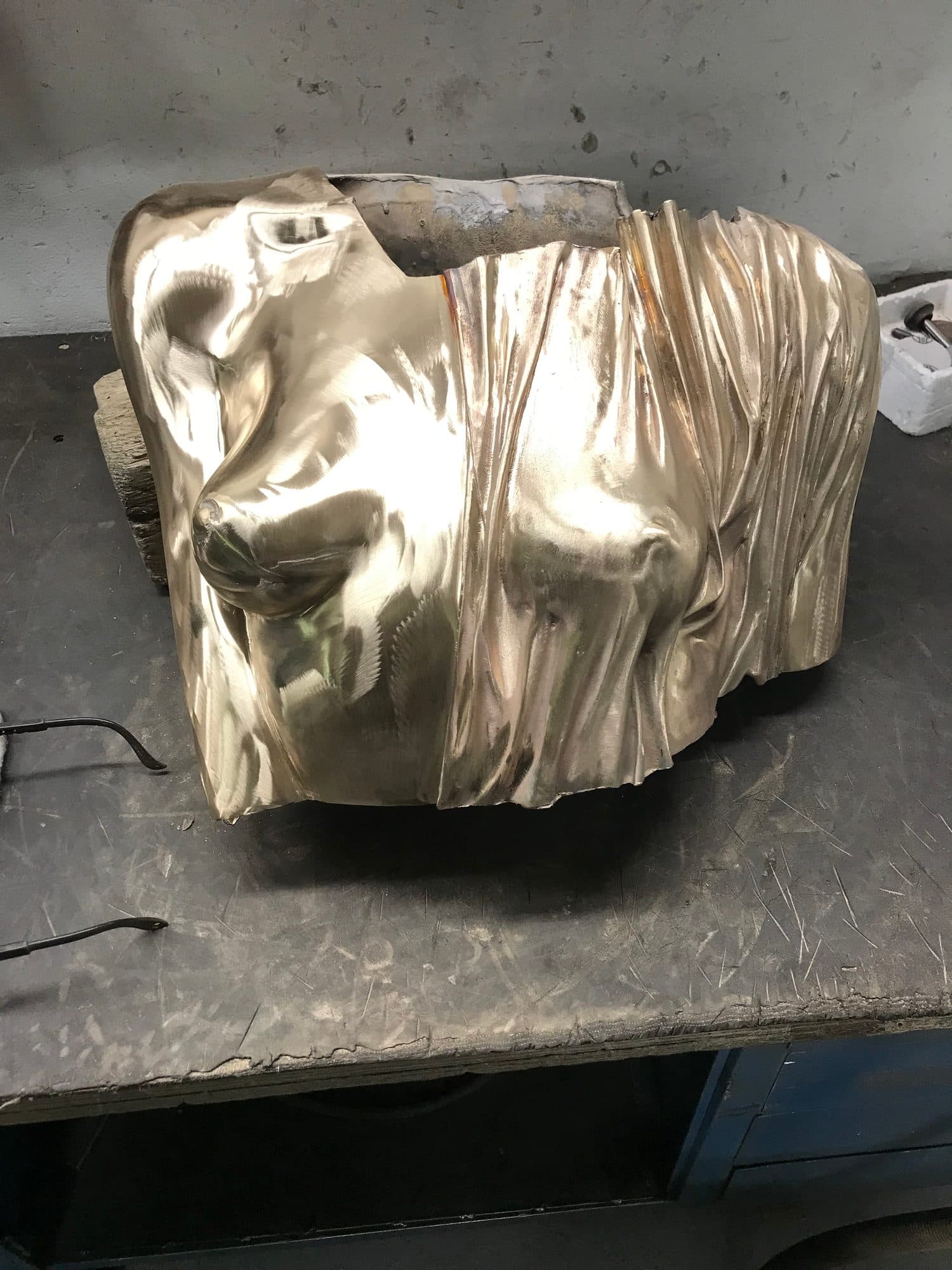
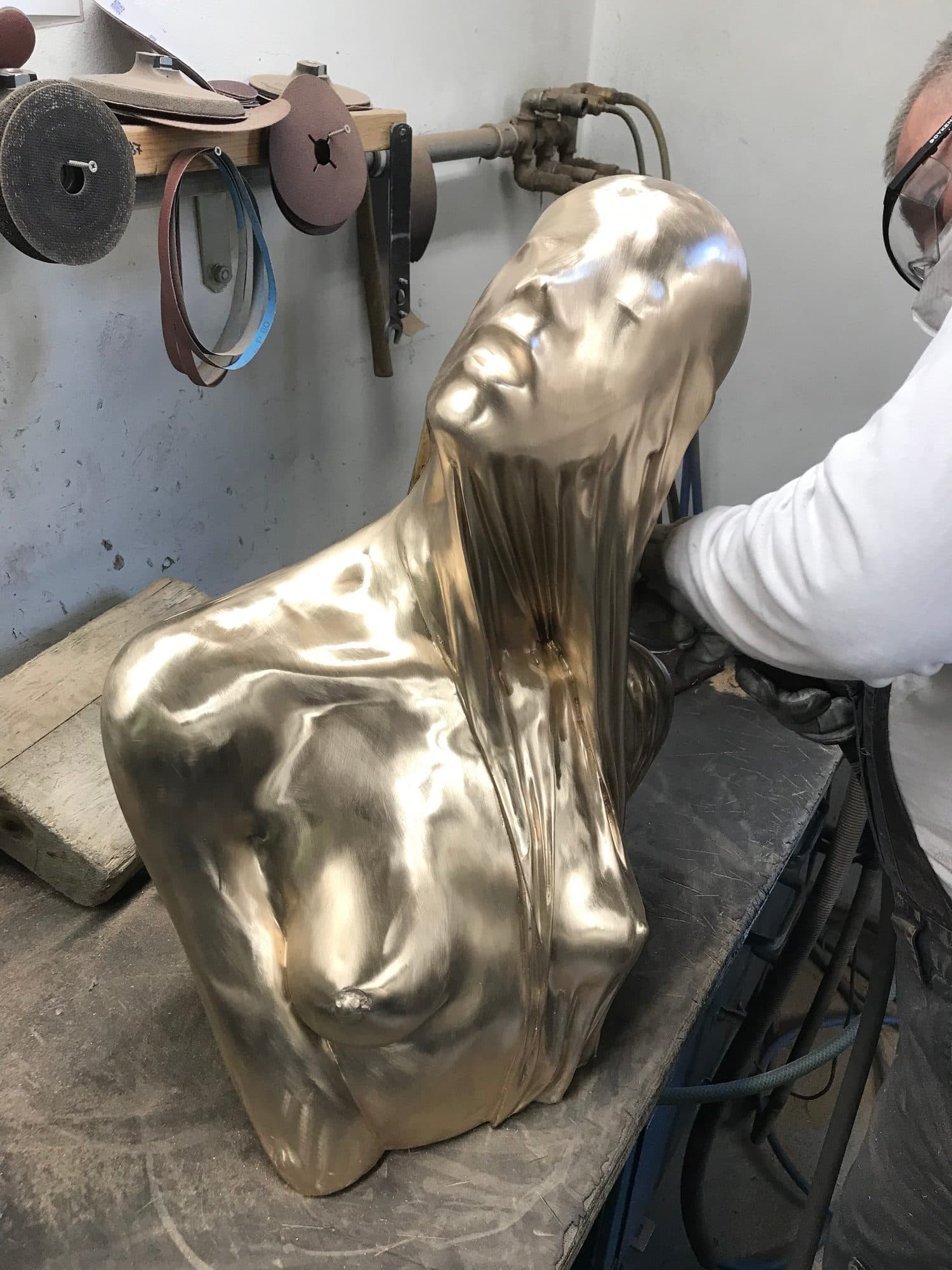
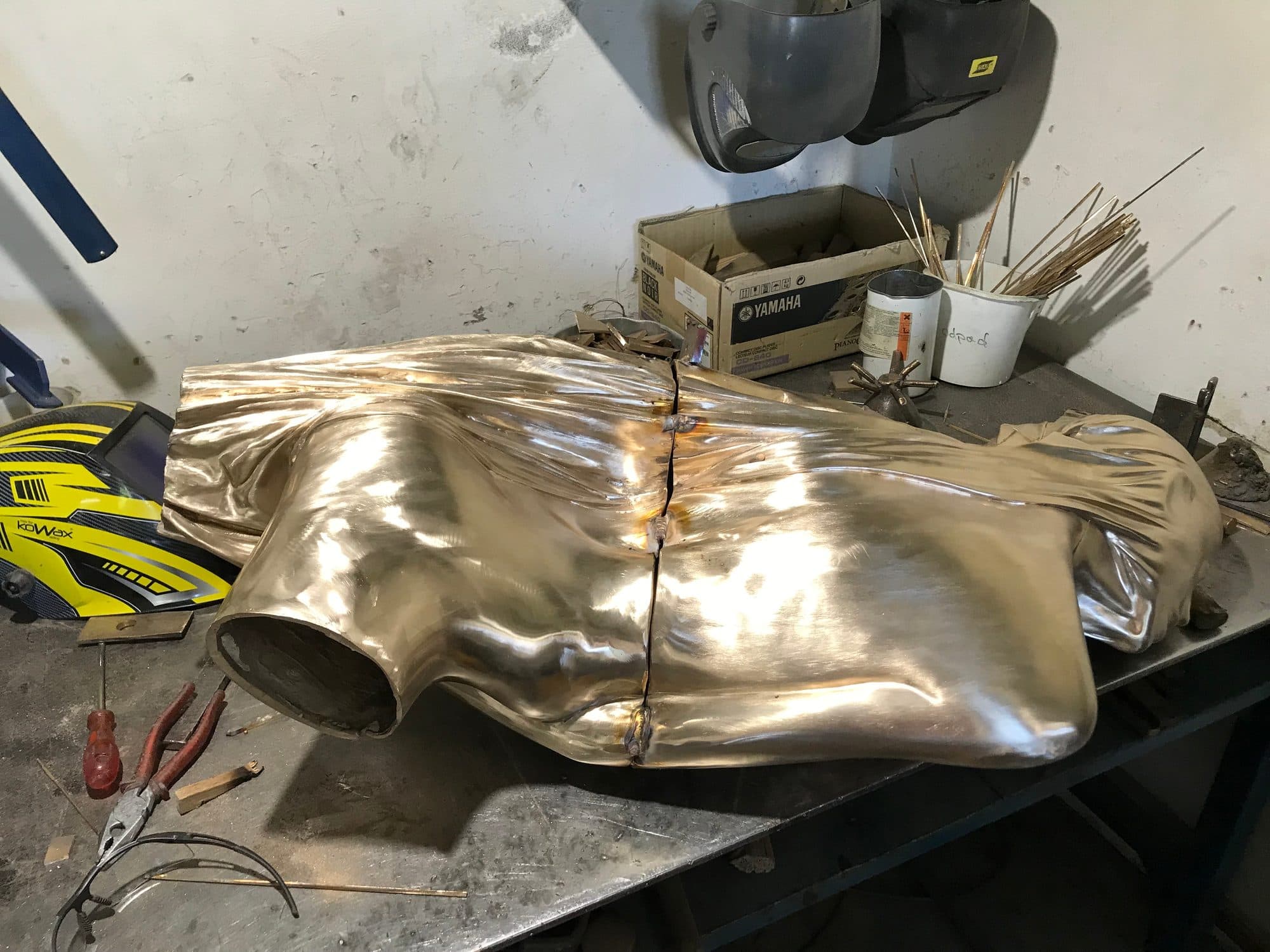
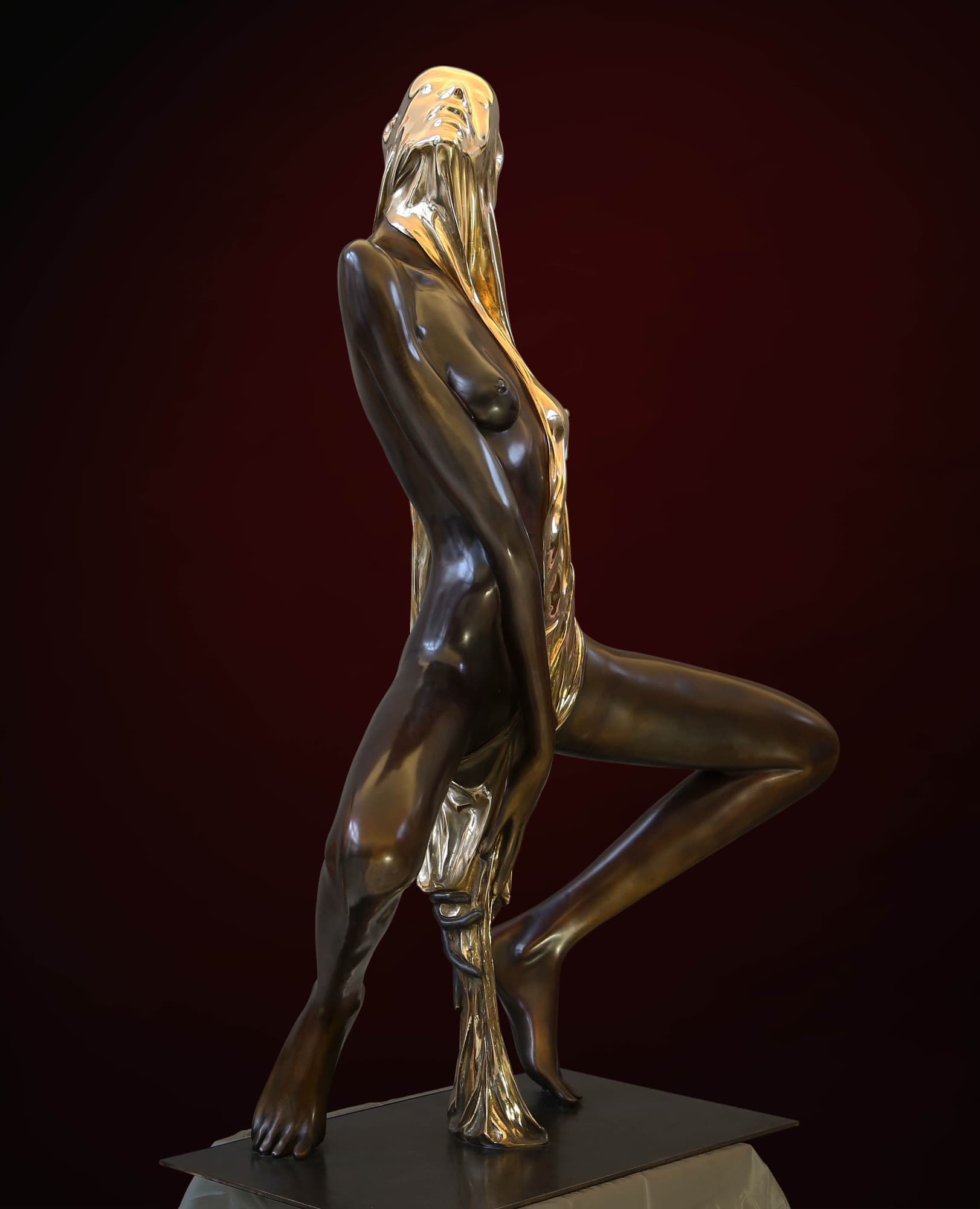
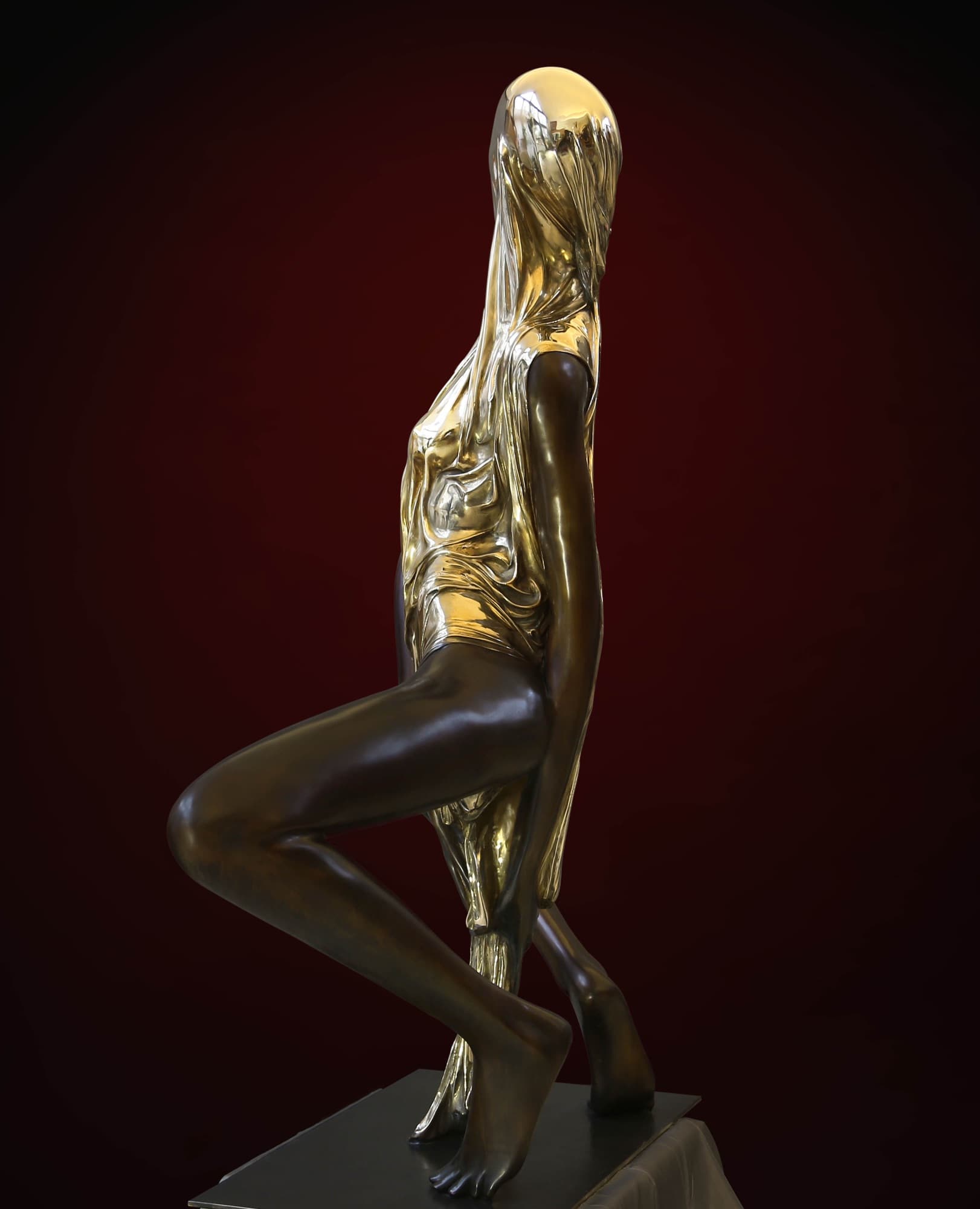
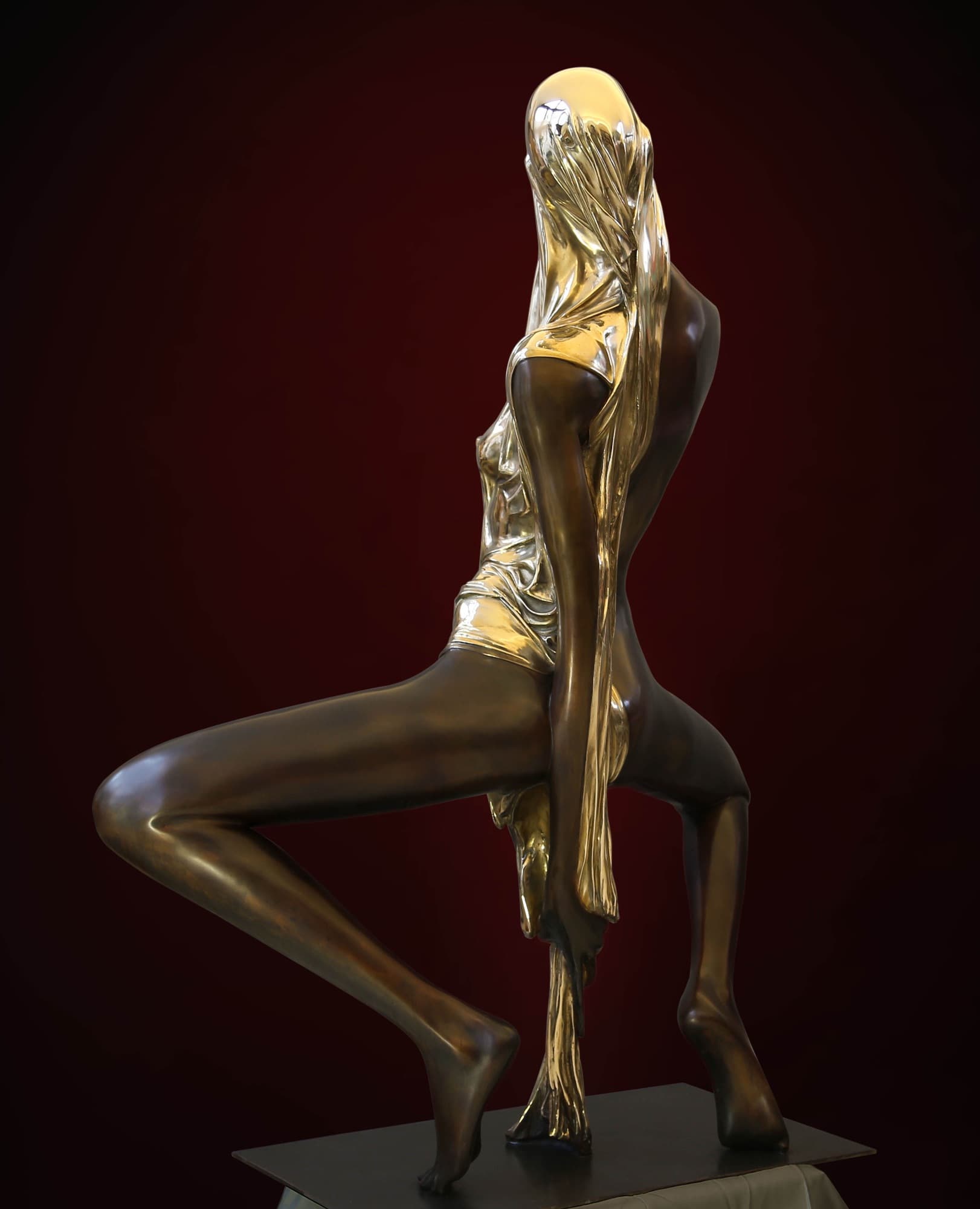
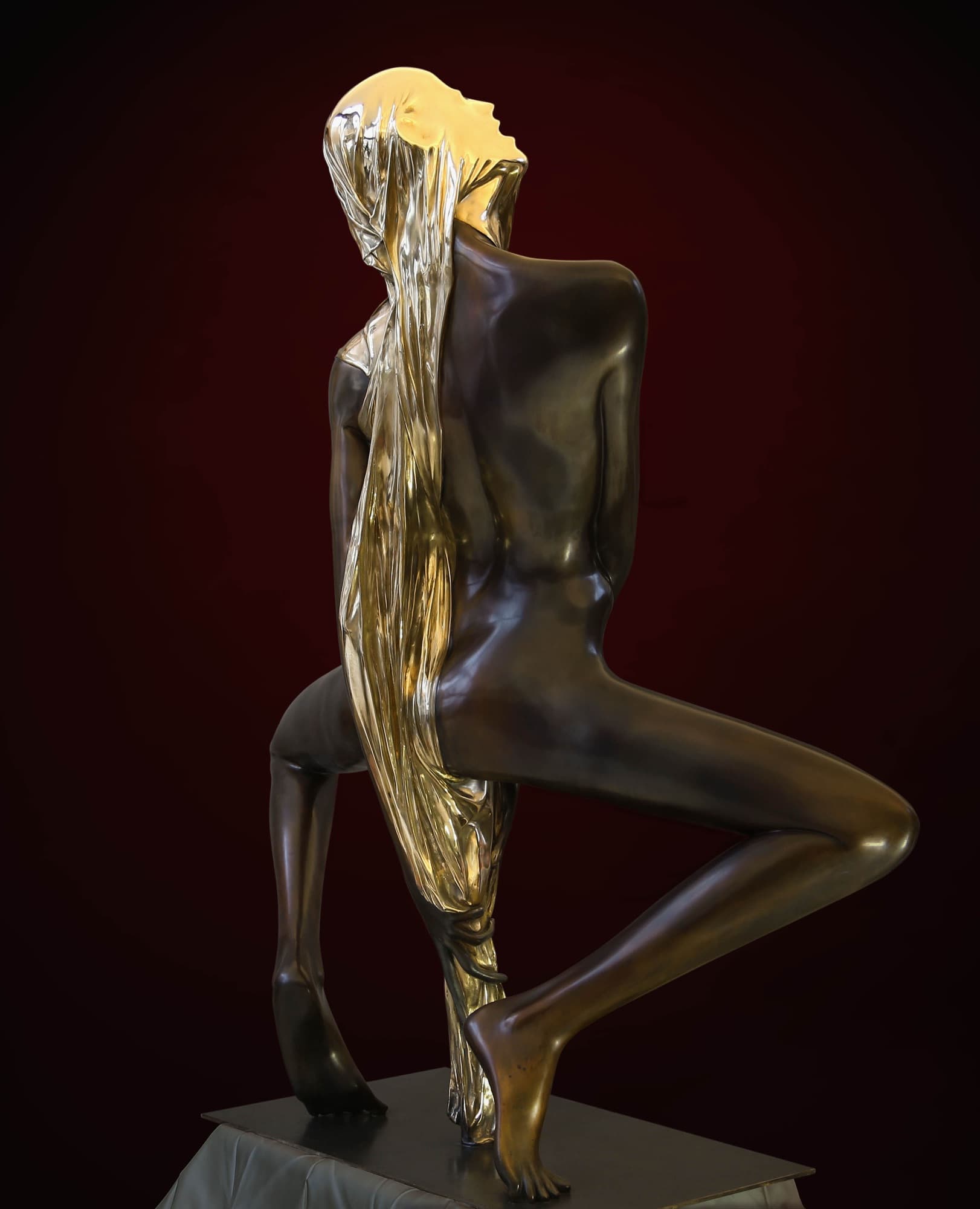
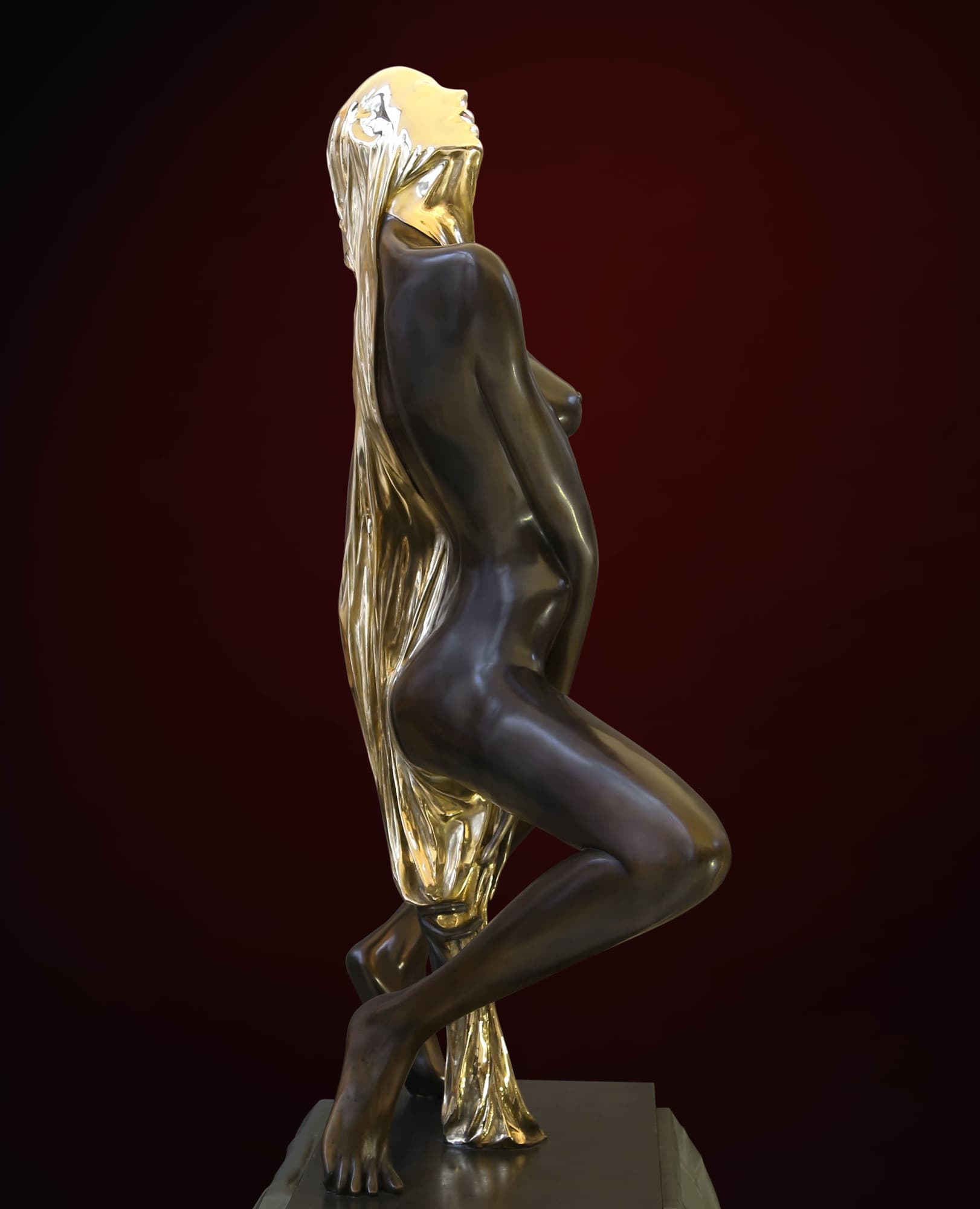
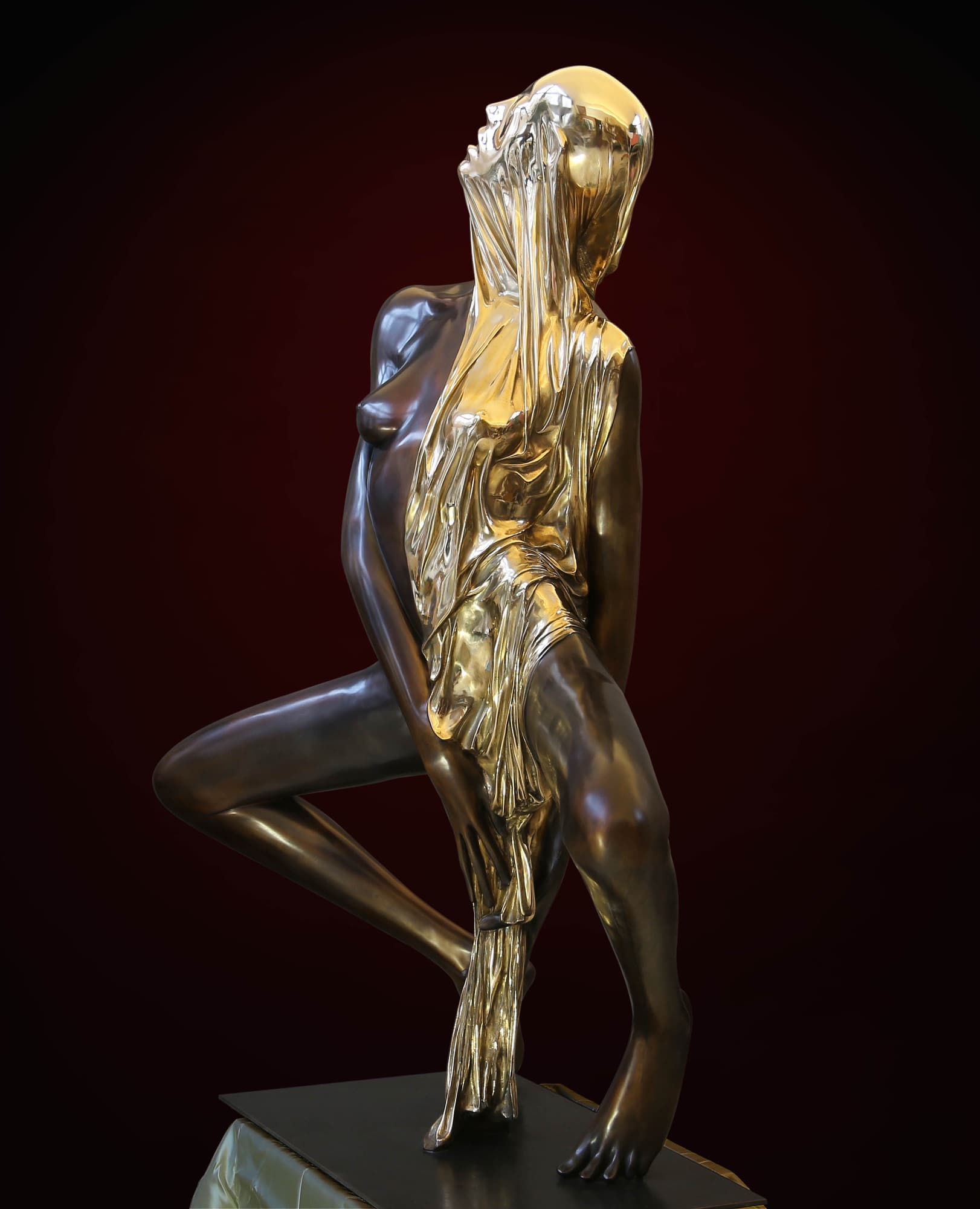
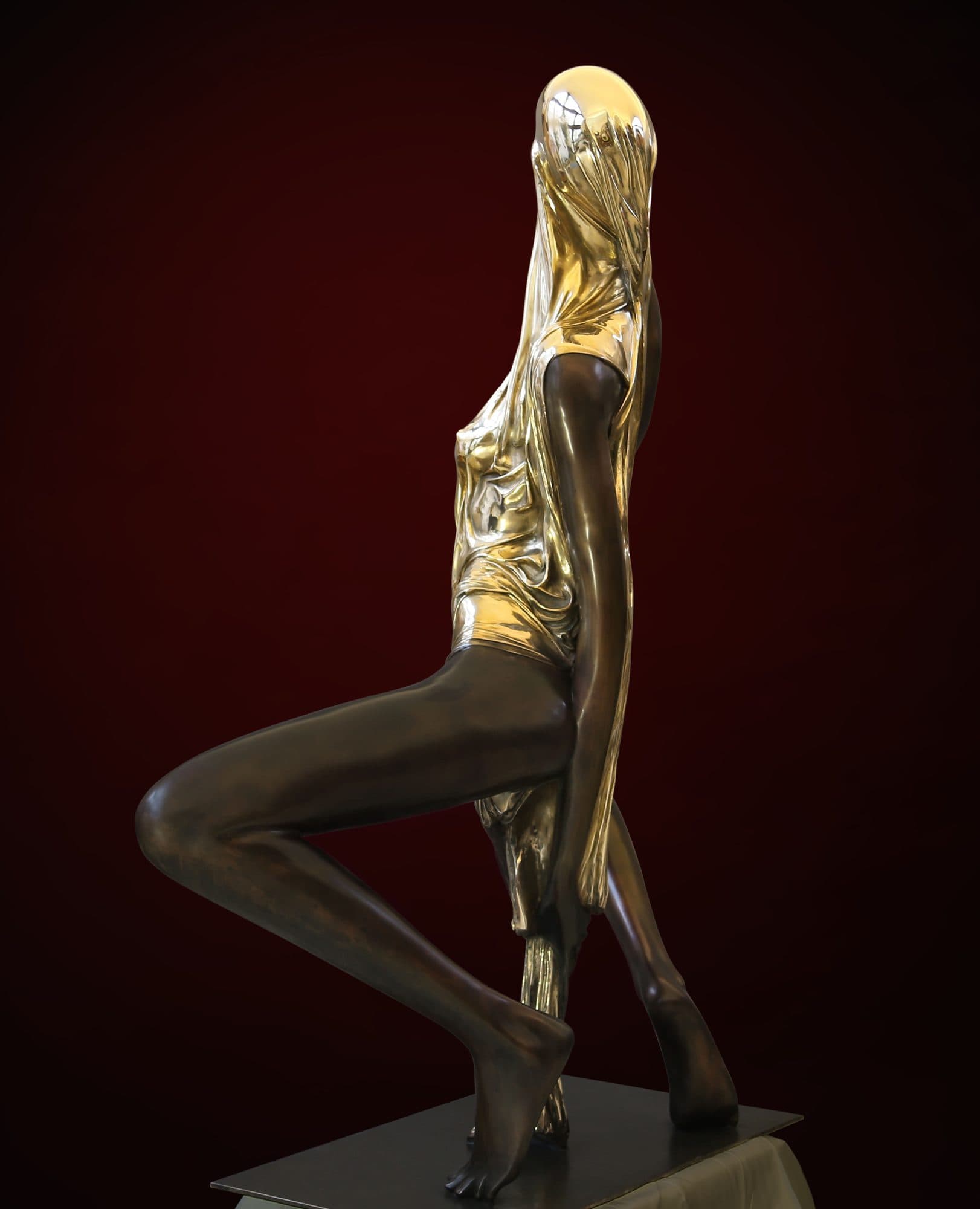
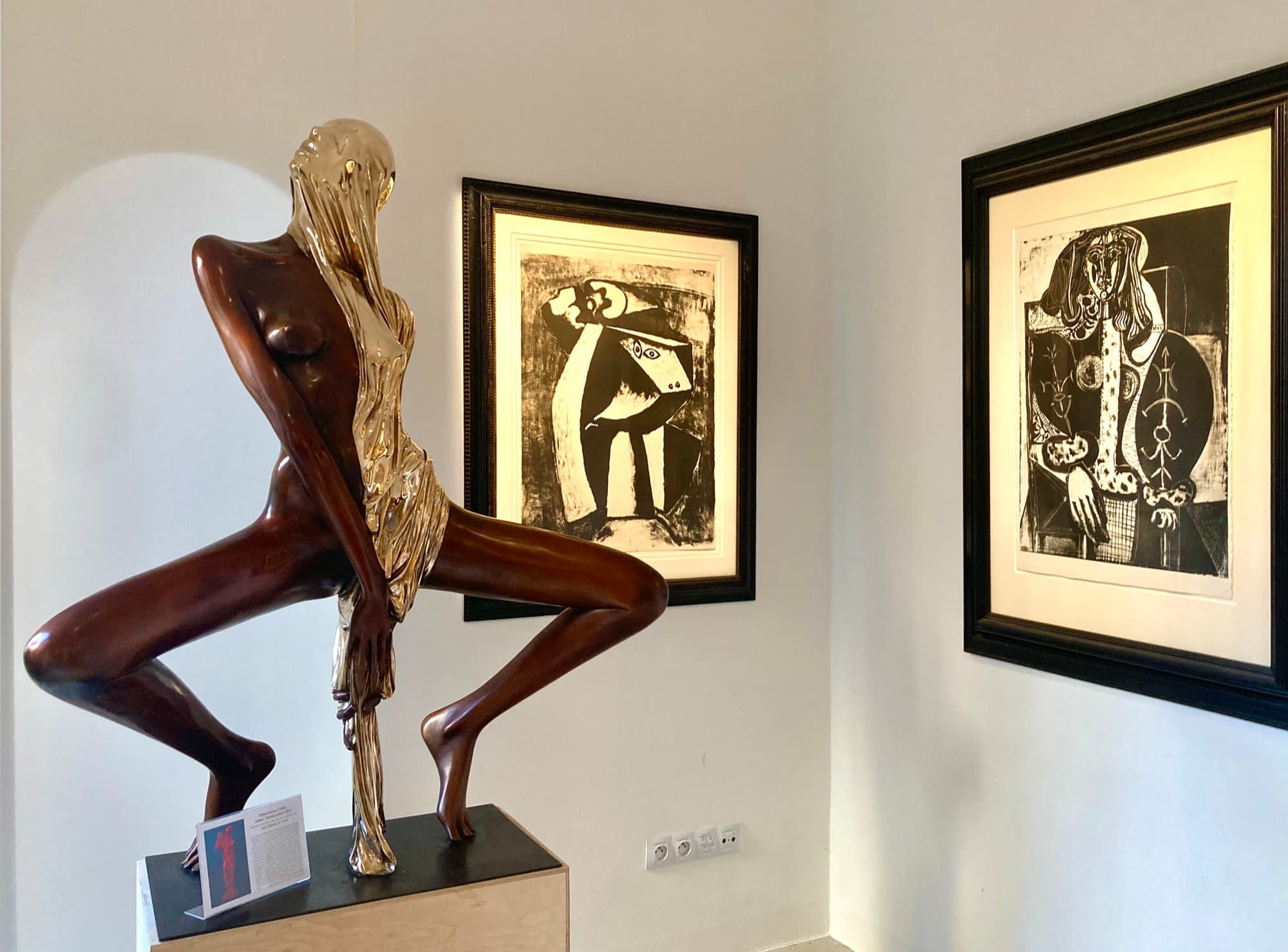
Lilith
- Material
- Bronze
- Size
- 146 × 116 × 45,5 cm
- Medium
- Sculpture
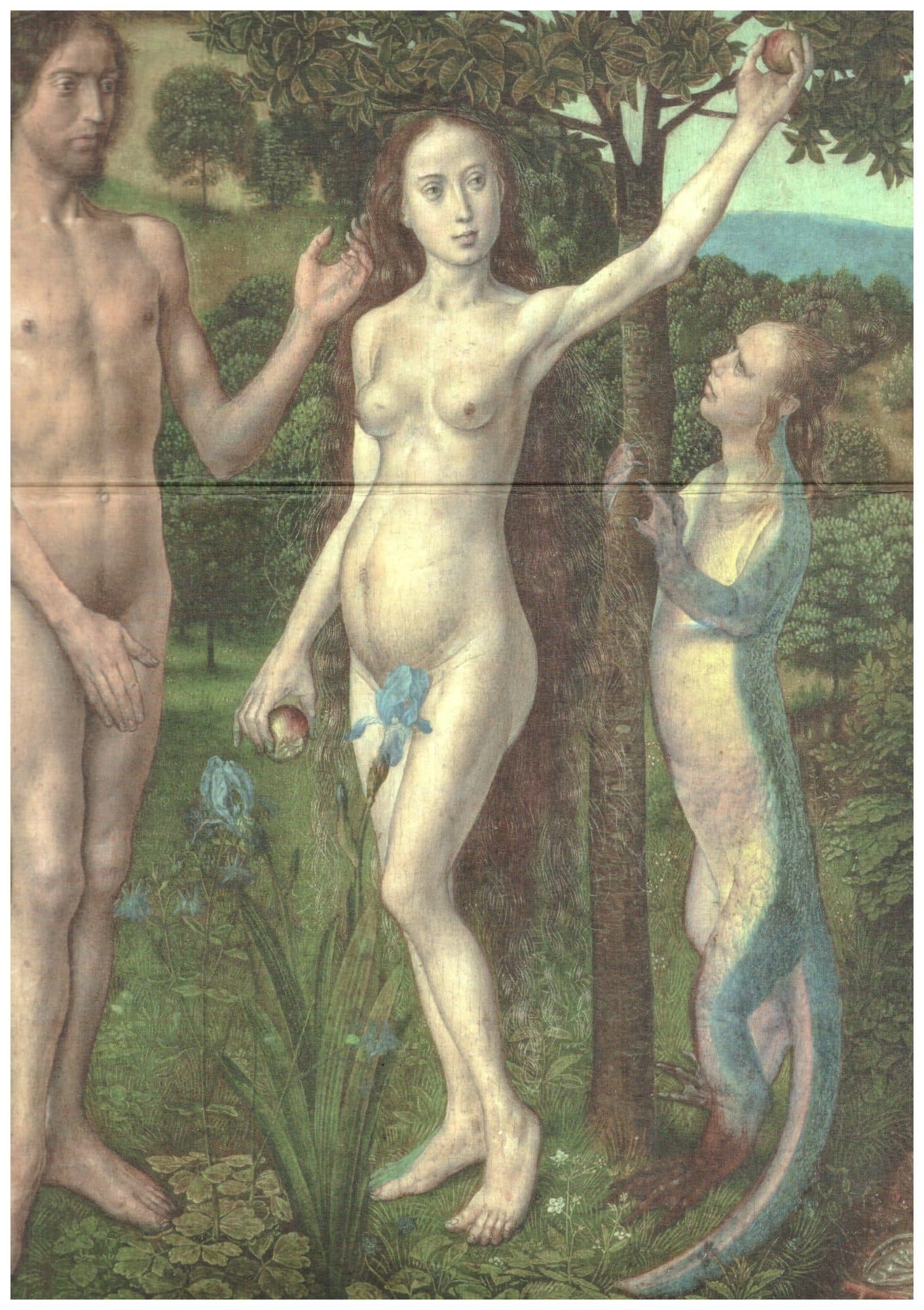
In Western culture Lilith is most often linked with the biblical Adam, as his first wife before Eve, yet she appears much earlier, in the art of the Hittites, Babylonians and Egyptians. Her image shifted from barren nothingness and darkness, to a winged, alluring woman with a bird’s talons, to a demonic beauty revelling in the flesh — always with negative attributes, and with the need to banish her from the mind, since she was said to bring only evil and ruin. The obscure account of her in the biblical texts inspired an anonymous medieval author, who read the Lord’s creation of man and woman in the Book of Genesis as the creation of equals. He portrayed Adam and Lilith as rivals, each striving for supremacy, for Lilith would submit neither to man nor to God. Defiant, she left Paradise and refused to return. For her rebelliousness, seen today rather as free-spiritedness, she was punished with loneliness; she is described as a bitter, promiscuous woman who seduces men in their dreams.
Making of